Native Plant Gardening — Canada

Growing with what already belongs here

Documentation on native plants, pollinator habitat, and ecological garden practices suited to Canadian climates and regions.


From the garden

Practical guides on selecting, planting, and maintaining native species across Canadian growing zones.

Purple coneflower in bloom
Wildflowers
Growing Native Wildflowers in Ontario Gardens

A field-by-field look at which native wildflowers establish well in Ontario's mixed hardwood and clay belt regions.

Updated May 2026
Wild bergamot flowers with bees
Pollinators
Supporting Pollinators in a Backyard Garden

Which plants and garden structures support native bees, monarch butterflies, and other pollinators through the season.

Updated May 2026
Canada goldenrod in meadow
Garden Design
Low-Maintenance Ecological Garden Design

Structural approaches to planting native perennials that reduce ongoing maintenance while building habitat over time.
Updated May 2026

Common species for Canadian gardens

A selection of native perennials and wildflowers documented across eastern and central Canada, with notes on habitat and pollinator value.

Purple coneflower
Purple Coneflower
Echinacea purpurea

A tall prairie perennial found in open meadows and roadsides. Blooms July through September, providing nectar for bumblebees and long-tongued native bees.

Wild bergamot
Wild Bergamot
Monarda fistulosa

Native to dry prairies and open woods from Ontario to British Columbia. Tubular lavender flowers attract hummingbirds and bumble bees through mid-summer.

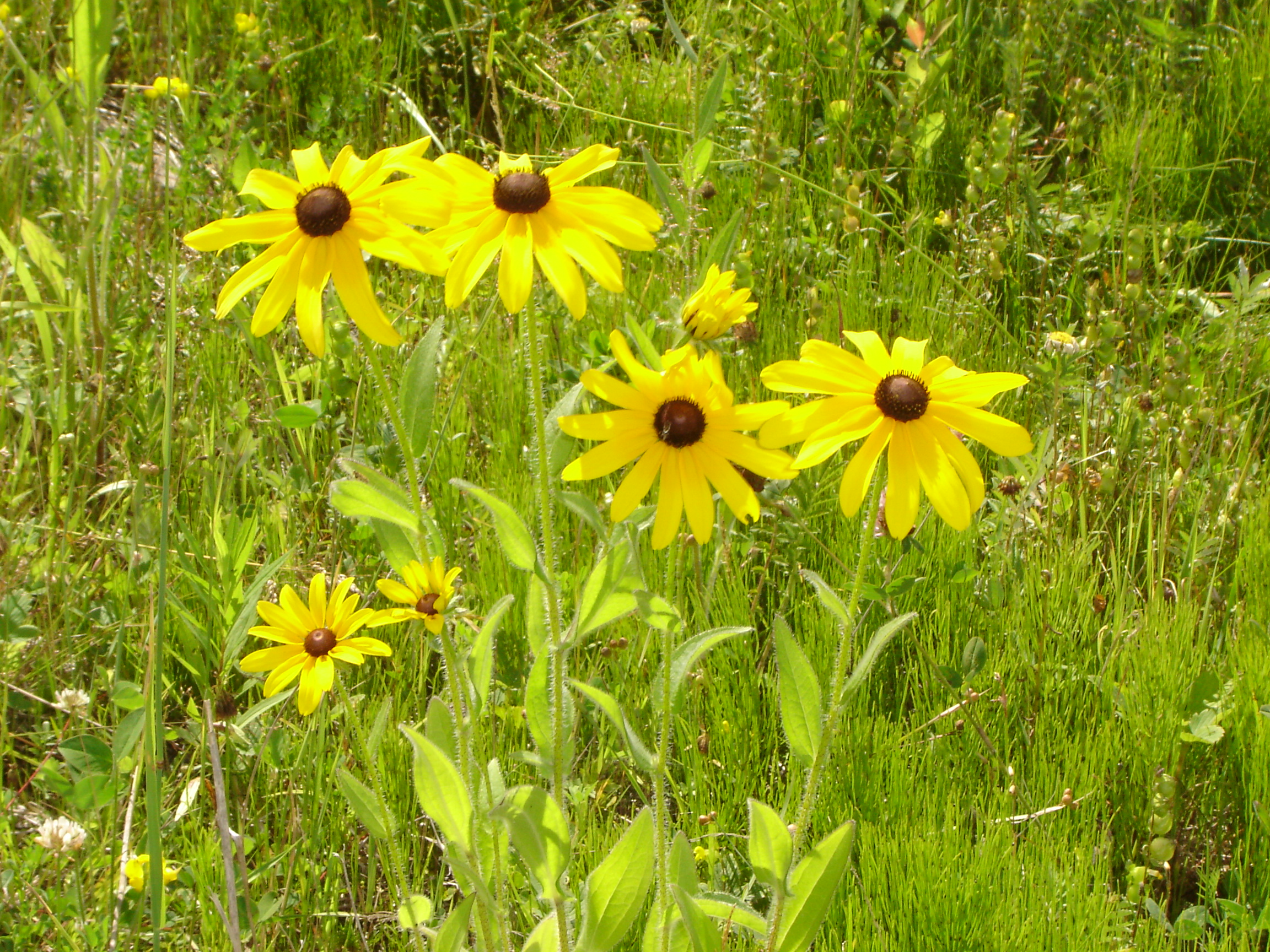
Black-eyed Susan
Black-eyed Susan
Rudbeckia hirta

One of the most adaptable native wildflowers in Canada. Tolerates both dry and moist soils. Seeds are an important winter food source for goldfinches.

Canada goldenrod
Canada Goldenrod
Solidago canadensis

Among the most valuable late-season nectar sources in eastern Canada. Supports over 100 insect species including native bees and beneficial wasps.

Cardinal flower
Cardinal Flower
Lobelia cardinalis

A striking wetland-edge plant native to Ontario, Quebec and Manitoba. The bright red tubular flowers are adapted to ruby-throated hummingbird pollination.

White beardtongue
White Beardtongue
Penstemon digitalis

A prairie and savannah species that thrives in well-drained soils. Early-blooming flowers are important resources for bumblebees emerging in spring.


Native plants and the gardens that support them

Meadow & Co documents practical approaches to native plant gardening in Canada. The content focuses on plant selection, ecological function, and garden structure — drawn from publicly available research and horticultural records.

Native plants are defined as species that occurred in a given region prior to European settlement. In Canada, this includes several thousand species across a wide range of habitats, from coastal grasslands to boreal forest edges.

The site does not offer commercial advice and does not represent any nursery or government agency.

Habitat starts at the property line

Urban and suburban green space accounts for a significant portion of land area across Canadian cities. Choices made at the household level — what to plant, how much lawn to retain, whether to leave leaf litter — have cumulative effects on local insect populations.

Native plant gardens require less irrigation and fertilizer than conventional landscaping once established. The tradeoff is a transition period of one to three seasons while root systems develop.

  • Most native perennials reach full establishment in 2–3 years
  • Leaf litter and seed heads provide overwintering habitat for native bees
  • Structural diversity (height variation, ground cover) increases habitat value

Send a question or note

For corrections, topic suggestions, or general correspondence regarding content on this site.

Email: contact@meadowandco.org

Location: Ontario, Canada